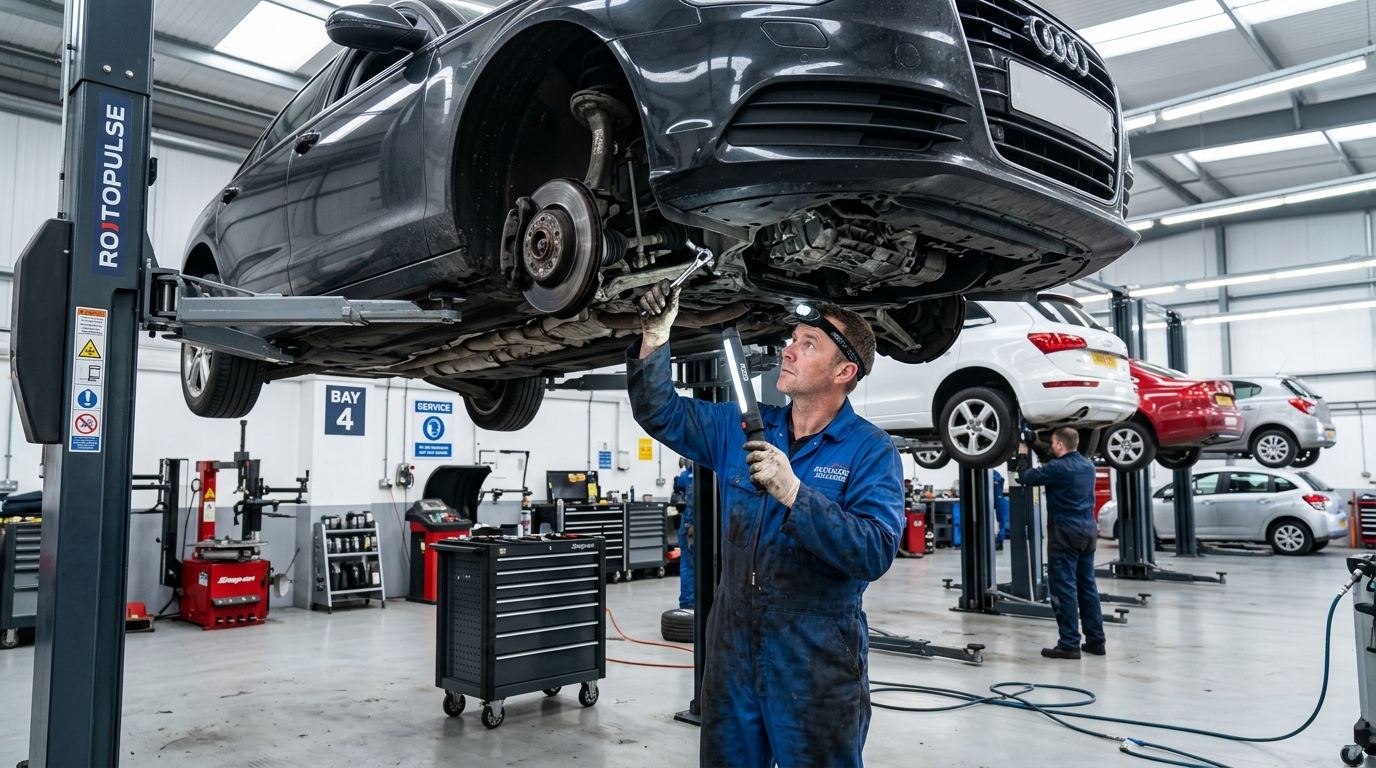
10 Essential Maintenance Tips to Keep Your Used Car Running Longer in South Africa
South Africa's used-car market is booming — with over 4,080 active listings on dbauto.co.za right now, buyers have never had more choice. Popular makes like Toyota (1,038 listings), Suzuki (395 listings), and Volkswagen (307 listings) dominate the market, and most of these vehicles are priced between R300,000 and R500,000. But buying a used car is only half the story — keeping it in top shape is where the real savings happen.
Whether you've just picked up a pre-owned Toyota Hilux, a Suzuki Swift, or a Volkswagen Polo, these 10 maintenance tips will help you get the most out of your investment on South African roads.
1. Stick to Your Service Schedule — No Exceptions
The single most important thing you can do for a used car is follow the manufacturer's recommended service intervals. In South Africa's varied climate — from the scorching Northern Cape to the wet Western Cape — engines work harder than in milder countries. A missed oil change can accelerate engine wear dramatically.
For most petrol vehicles, aim for an oil and filter change every 10,000–15,000 km or every 12 months, whichever comes first. Diesel engines, common in popular bakkies and SUVs, often require more frequent attention — check your owner's manual.
2. Check Your Tyre Pressure Weekly
South Africa's roads range from smooth N1 highways to pothole-riddled urban streets and gravel farm roads. Incorrect tyre pressure is one of the leading causes of blowouts and uneven tyre wear. Under-inflated tyres also increase fuel consumption — a real concern when petrol prices are high.
Check your tyre pressure at least once a week, ideally when the tyres are cold (before driving). The correct pressure is printed on a sticker inside the driver's door or in your owner's manual. Don't forget the spare!
3. Monitor Your Coolant Level
South African summers can be brutal, especially in Gauteng and Mpumalanga. An overheating engine is one of the most expensive repairs you can face. Check your coolant reservoir level monthly and top it up with the correct coolant-to-water ratio (usually 50:50). Never open the radiator cap when the engine is hot.
If you notice your temperature gauge creeping up or steam coming from under the bonnet, pull over immediately and let the engine cool before investigating.
4. Inspect Your Brakes Regularly
Brake pads and discs wear faster in stop-start city traffic — a daily reality for drivers in Johannesburg, Cape Town, and Durban. Listen for squealing or grinding noises when braking, and pay attention to any vibration through the brake pedal. These are early warning signs that your pads need replacing.
As a rule of thumb, have your brakes inspected every 20,000 km or at every second service. Replacing worn pads early is far cheaper than replacing scored discs.
5. Keep Your Battery in Good Condition
Car batteries in South Africa typically last 3–5 years, but extreme heat and frequent short trips can shorten their lifespan. A flat battery is one of the most common causes of roadside breakdowns. Have your battery tested at a fitment centre or auto parts store annually — most will do it for free.
If your car struggles to start in the morning or your lights seem dimmer than usual, it's time for a battery check. Brands like Willard and First National Battery are widely available across South Africa.
6. Change Your Air Filter
South Africa's dusty conditions — particularly in the Northern Cape, Free State, and rural areas — clog air filters faster than in other countries. A dirty air filter restricts airflow to the engine, reducing performance and fuel efficiency. Replacing an air filter is one of the cheapest DIY maintenance tasks you can do, typically costing between R150 and R400 for most popular models.
Check your air filter every 15,000 km or annually. If you drive on gravel roads regularly, inspect it more frequently.
7. Don't Ignore Warning Lights
Modern vehicles are equipped with sophisticated onboard diagnostics. When a warning light appears on your dashboard — whether it's the engine management light, oil pressure warning, or ABS light — don't ignore it. Many South African drivers drive for weeks with warning lights on, turning a minor issue into a major repair.
Most fitment centres and many mechanics can read fault codes with an OBD-II scanner for a small fee. Catching a problem early can save you thousands of rands.
8. Protect Your Car's Exterior
South Africa's intense UV radiation fades paint and degrades rubber seals faster than in Europe or the USA. Parking in the shade, using a car cover, and applying a quality wax or paint sealant twice a year will protect your vehicle's resale value significantly. A well-maintained exterior can add R10,000–R30,000 to your car's trade-in value.
Also inspect door seals and window rubbers annually. Cracked seals allow water ingress, which leads to rust — a serious problem in coastal cities like Cape Town, Durban, and Port Elizabeth.
9. Flush and Replace Fluids on Schedule
Beyond engine oil, your car relies on several other fluids that degrade over time: brake fluid, power steering fluid, transmission fluid, and differential oil. These are often overlooked in basic services but are critical for long-term reliability.
Brake fluid absorbs moisture over time, lowering its boiling point and reducing braking effectiveness. Most manufacturers recommend replacing it every 2 years regardless of mileage. Transmission fluid in automatic gearboxes — common in popular models like the Toyota Fortuner and Suzuki Vitara — should be changed every 60,000–80,000 km.
10. Find a Trusted Independent Mechanic
Dealership service centres are convenient but expensive. For out-of-warranty used cars, a trusted independent mechanic can save you 30–50% on labour costs without compromising quality. Ask friends and family for recommendations, check Google reviews, and always get a written quote before authorising any work.
Organisations like the Motor Industry Workshop Association (MIWA) maintain a directory of accredited workshops across South Africa — a good starting point when you're new to an area.
Bonus Tip: Keep Your Service History
A complete service history is one of the most valuable assets a used car can have. It proves the vehicle has been maintained correctly and gives the next buyer confidence. Keep all invoices, service stamps, and receipts in a folder in your glovebox. When it's time to sell, a full service history can add R15,000–R50,000 to your asking price depending on the vehicle.
Ready to Find Your Next Used Car?
With over 4,080 quality used vehicles listed on dbauto.co.za — from affordable Suzuki Swifts starting around R109,900 to premium Toyota Land Cruisers — South Africa's smartest used-car marketplace has something for every budget and lifestyle. Browse listings from Gauteng, the Western Cape, Mpumalanga, and beyond, all with transparent pricing and detailed vehicle information.
Start your search at dbauto.co.za today and drive away with confidence.