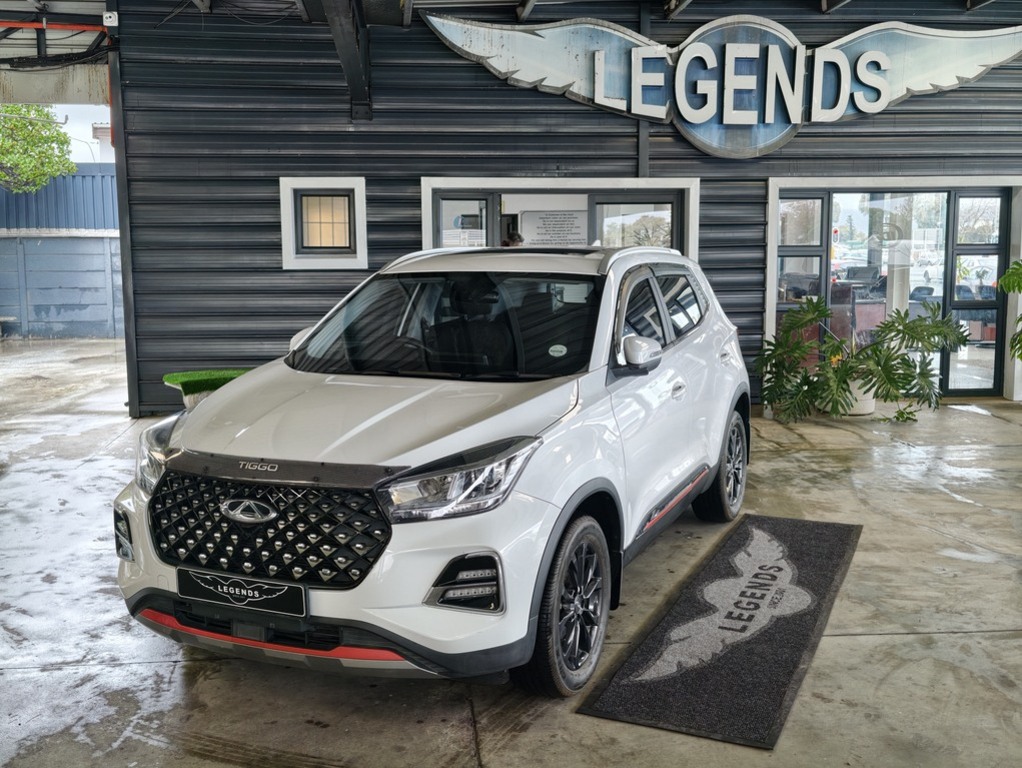
7 Smart Tips to Cut the True Cost of Used-Car Ownership in South Africa
With 4,479 used vehicles currently listed across South Africa — from sub-R100,000 city runarounds to R2-million-plus luxury SUVs — there has never been a better time to buy a pre-owned car. But the purchase price is only the beginning. Fuel, insurance, tyres, servicing, and unexpected repairs can easily double what you spend over three years of ownership.
Whether you're eyeing a Toyota Hilux bakkie (average asking price around R500,000 on the current market), a Volkswagen Polo hatchback at R255,000, or a budget-friendly Renault starting from R70,000, the tips below will help you keep your total cost of ownership firmly under control.
1. Choose a Model With Cheap Parts and Wide Workshop Coverage
The single biggest lever you have on long-term running costs is the model you choose. Toyota dominates the South African used-car market with 1,084 active listings — and for good reason. Parts are widely available, independent mechanics know these cars inside out, and service intervals are generous. Suzuki (409 listings, average price R462,000) and Volkswagen (327 listings, average R492,000) are similarly well-supported.
Before you commit to any model, phone three independent workshops and ask for a quote on a standard 90,000 km service and a set of brake pads. The difference between a Toyota Corolla and a European luxury sedan can be R3,000–R8,000 per service visit — a gap that adds up fast.
2. Buy in the R300,000–R500,000 Sweet Spot for the Best Value-to-Reliability Ratio
Looking at the current inventory, 2,063 vehicles are priced between R300,000 and R500,000 — that's nearly half the entire market. This bracket is the sweet spot for South African buyers: cars in this range are typically 2–5 years old, still have some manufacturer warranty remaining or are eligible for extended warranty products, and have not yet hit the high-mileage reliability cliff.
Cars priced under R100,000 (45 listings) can be tempting, but budget carefully for older tyres, worn suspension components, and potentially expensive electrical gremlins. If your budget is tight, the R100,000–R200,000 bracket (290 listings) offers solid options — just factor in a pre-purchase inspection by an independent mechanic (budget R800–R1,500 for this).
3. Get at Least Three Insurance Quotes — and Review Annually
South African car insurance premiums vary wildly between providers for the same vehicle, driver profile, and suburb. A 35-year-old driver in Gauteng (which accounts for 1,320 of the 4,479 listings on dbauto.co.za — the most active province by far) can see comprehensive premiums differ by 40–60% between insurers for the same car.
Key tips for cutting your premium:
- Increase your voluntary excess. Raising your excess from R2,500 to R5,000 can reduce your monthly premium by 10–20%.
- Install a tracking device. Most insurers offer a 5–15% discount for approved tracking units — and it helps recover your car if stolen.
- Park in a locked garage. Overnight garaging can shave another 5–10% off your premium, especially in high-theft areas.
- Review your cover annually. As your car depreciates, the insured value should drop — and so should your premium. Many South Africans overpay because they never update their policy.
4. Stick to the Manufacturer's Service Schedule — No Exceptions
Skipping or delaying a service to save R2,000 today can cost you R20,000 in engine damage tomorrow. This is especially true for diesel vehicles — and diesels are extremely popular in South Africa. The Ford Ranger (259 Ford listings, average R482,000), Isuzu D-Max (108 Isuzu listings, average R389,000), and Toyota Hilux are all predominantly diesel-powered, and their high-pressure fuel systems are unforgiving of dirty fuel or missed filter changes.
Practical steps:
- Set a calendar reminder for your next service date and mileage.
- Use the manufacturer's recommended oil grade — not a cheaper alternative.
- Change your fuel filter at the recommended interval, or earlier if you suspect you've filled up with poor-quality diesel (a real risk at some rural filling stations).
- Keep all service records. A full service history can add R20,000–R50,000 to your car's resale value.
5. Manage Your Tyres Proactively
Tyres are one of the most overlooked running costs. A set of four quality tyres for a mid-size SUV or bakkie can cost R8,000–R16,000 — and South Africa's pothole-riddled roads accelerate wear significantly. Here's how to make them last:
- Check tyre pressure monthly. Under-inflated tyres wear faster, reduce fuel economy by up to 3%, and increase blowout risk. The correct pressure is in your door jamb sticker — not on the tyre sidewall.
- Rotate every 10,000 km. Front tyres wear faster than rears on most cars. Rotating them evens out wear and can extend tyre life by 20–30%.
- Align and balance after any significant pothole impact. Misalignment causes rapid, uneven wear and can damage steering components.
- Don't mix tyre brands or sizes. Mismatched tyres affect handling and can void your insurance claim in an accident.
6. Fuel Economy: Small Habits, Big Savings
With petrol and diesel prices remaining a major household expense for South African drivers, improving your fuel economy by even 10% makes a meaningful difference over a year. The good news: most fuel-saving techniques cost nothing.
- Accelerate gently and anticipate stops. Aggressive acceleration and hard braking are the two biggest fuel wasters. Smooth driving can improve economy by 15–20%.
- Use cruise control on highways. Maintaining a steady speed is far more efficient than the natural speed fluctuations of manual throttle control.
- Remove roof racks and tow bars when not in use. Aerodynamic drag from unused accessories adds measurable fuel consumption, especially at highway speeds.
- Service your air filter. A clogged air filter forces the engine to work harder. Replacement costs R200–R600 and can restore lost economy.
- Don't idle unnecessarily. Modern fuel-injected engines use more fuel idling for 30 seconds than they do restarting. Switch off if you're waiting more than a minute.
7. Build a Repair Fund — Before You Need It
Even the most reliable used car will eventually need an unplanned repair. A clutch replacement, a water pump, or a set of shock absorbers can arrive without warning and cost R5,000–R25,000. South African consumers who don't have a repair fund often end up taking expensive short-term loans or, worse, deferring critical repairs that then cause further damage.
A simple rule: set aside 1% of your car's purchase price per month into a dedicated savings account. If you bought a R350,000 Toyota, that's R3,500 per month — money that sits earning interest until you need it. Most months you won't touch it. When you do need it, you'll be grateful it's there.
If your car is still under warranty or you purchased an extended warranty product, keep the documentation accessible and understand exactly what is and isn't covered. Many SA buyers are surprised to discover that wear-and-tear items like brake pads, clutches, and tyres are excluded from standard warranties.
The Bottom Line
Buying a used car in South Africa is one of the smartest financial decisions you can make — the depreciation hit has already been absorbed by the first owner, and the current market of 4,479 vehicles across every price bracket means there's something for every budget. But the real savings come from how you own and maintain the car after purchase.
Choose a well-supported model, insure it smartly, service it religiously, look after your tyres, drive efficiently, and keep a repair fund. Do all seven of these things consistently, and you'll spend significantly less over the life of your vehicle than the average South African car owner.
Ready to find your next used car? Browse thousands of verified listings — from budget hatchbacks to premium SUVs and bakkies — at dbauto.co.za. Filter by make, model, price, province, and body type to find exactly what you're looking for.